AI Awareness
Know the rules
- Realistic capabilities
- Where AI goes wrong
- Recognising risk
AI training built for how life sciences actually works. Know the rules. Use it safely. Make it count.

Three tracks, each solving a different problem. Take one, or run them in sequence as your team moves from first questions to daily practice.
“Wait! Are we even allowed to use this?”
Most teams have never been told what AI can actually do, so AI-generated answers get treated as fact. In life sciences, that's a real risk: nearly two-thirds of AI-generated citations in research literature reviews turn out to be fabricated or inaccurate. That kind of error doesn't stay in a chat window, it ends up in a report or a submission draft. And since February 2025, EU law has required staff to understand these risks, with penalties reaching €15 million for organisations that don't.

Your team leaves with a shared, realistic picture of AI, and you hold documented AI literacy training, required across the EU since February 2025.
Curious where your team stands?
“What do you mean I cannot just ask ChatGPT for this?”
Your team is already prompting, choosing tools, and trusting what comes back. Not consistently. Not safely. AI can fabricate a convincing clinical dataset of hundreds of patients in minutes, and to an untrained eye it looks entirely legitimate.² The real risk isn't that your team uses AI; it's that they use it without knowing which tool to trust, how to verify what comes back, or how to document what AI actually contributed.

Your team leaves using AI on real work, with verification and documentation built into the routine.
Get ready to use AI in daily use. Just reach out to us here.
“I still don’t understand why we have to use this?”
Across pharma and life sciences, access to AI tools isn't really the bottleneck; usage is. Even where tools are company-approved, only around 10% of employees use them weekly, and access is typically limited to about a third of any department.³ A couple of people quietly pull ahead while the rest never really start.

Your team leaves with one workflow measurably faster, and the practice shared, not locked in two people's heads.
Curious how much of your team's AI use will never scale? Book an introduction call here.
BioGuild organises courses in different formats, all to the highest quality standards. Open courses are regularly announced and open for individual enrollment. Private courses are typically delivered in-house. With returning clients, we also organise ongoing programs for continuous learning experiences.

For professionals who need to skill up now. Send your team members to one of our open courses on the most pressing and trending topics.
For a team with a shared knowledge gap. We run a course just for your people, tailored as much as you need, from our proven programs to something built from scratch.
A long-term partnership that keeps your team ahead as the science, technology, and regulation shift.
Training is only worth buying if something changes afterwards. Whichever track you choose, these are the things your team takes back into the work, and we train on the tools your organisation already uses, so nothing here depends on buying new software.
Be ready before the auditor arrives. Your team knows what's required, what's permitted, and what to document; evidence ready before anyone asks.
No more workarounds or two people quietly pulling ahead while the rest fall behind. Everyone leaves with shared knowledge they can use the next day.
AI is redesigned into a real workflow, not bolted on, so the time and quality gains are measurable and reportable.
Our trainers come from biochemistry, regulated environments, and life-sciences consulting. They know your domain and your compliance reality.
We work with the tools you already use.



Whichever track fits your team today, you'll leave using AI with confidence.
Rizgar has spent fifteen years in life sciences consultancy, guiding companies through digital transformation and operational challenges, watching first-hand how AI has reshaped the industry. As operations director at a major life sciences consultancy, he has implemented AI projects with Claude, ChatGPT and Copilot. He teaches from what he has built, not from the manual: participants leave knowing what these tools do in a real organisation, and what it takes to make them stick.
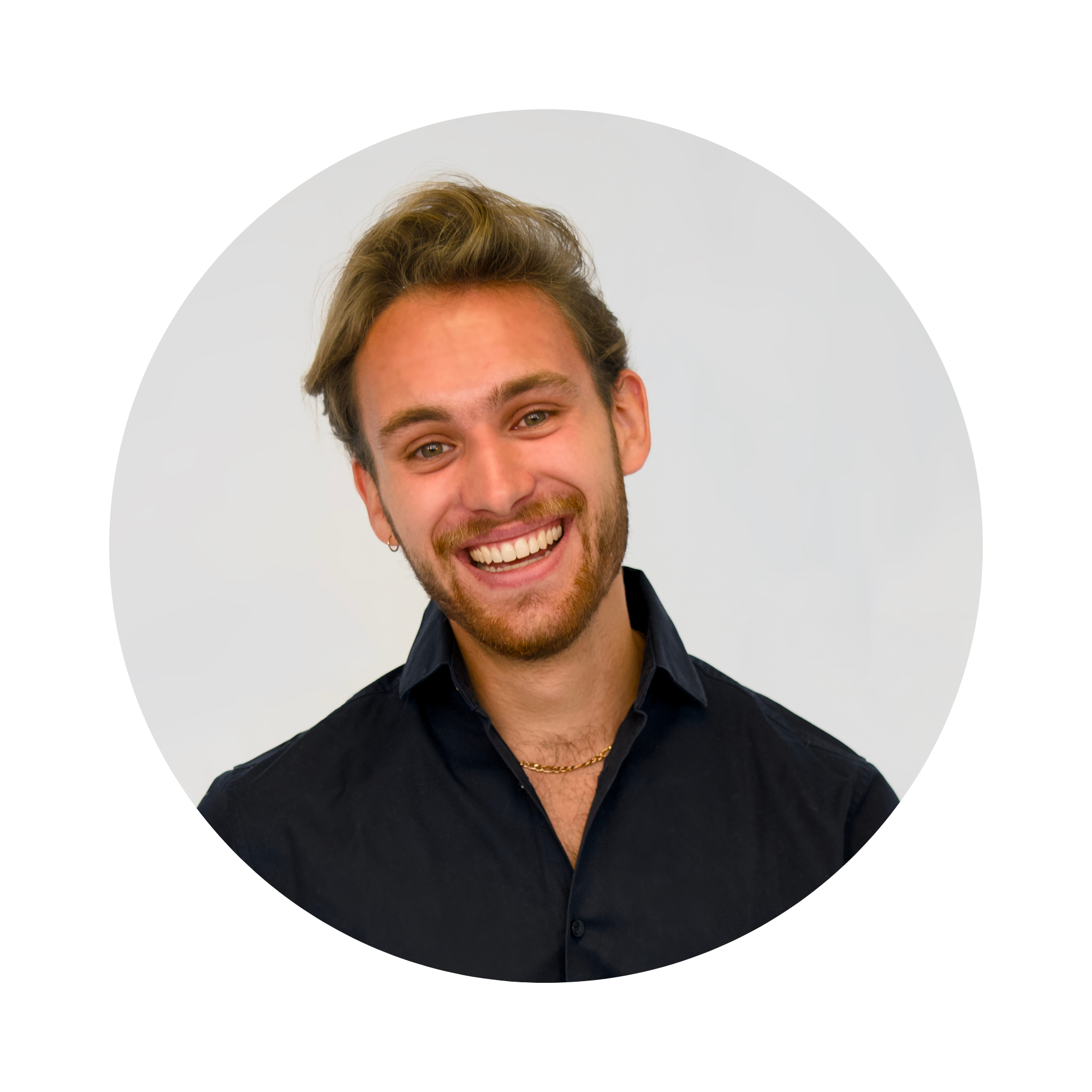
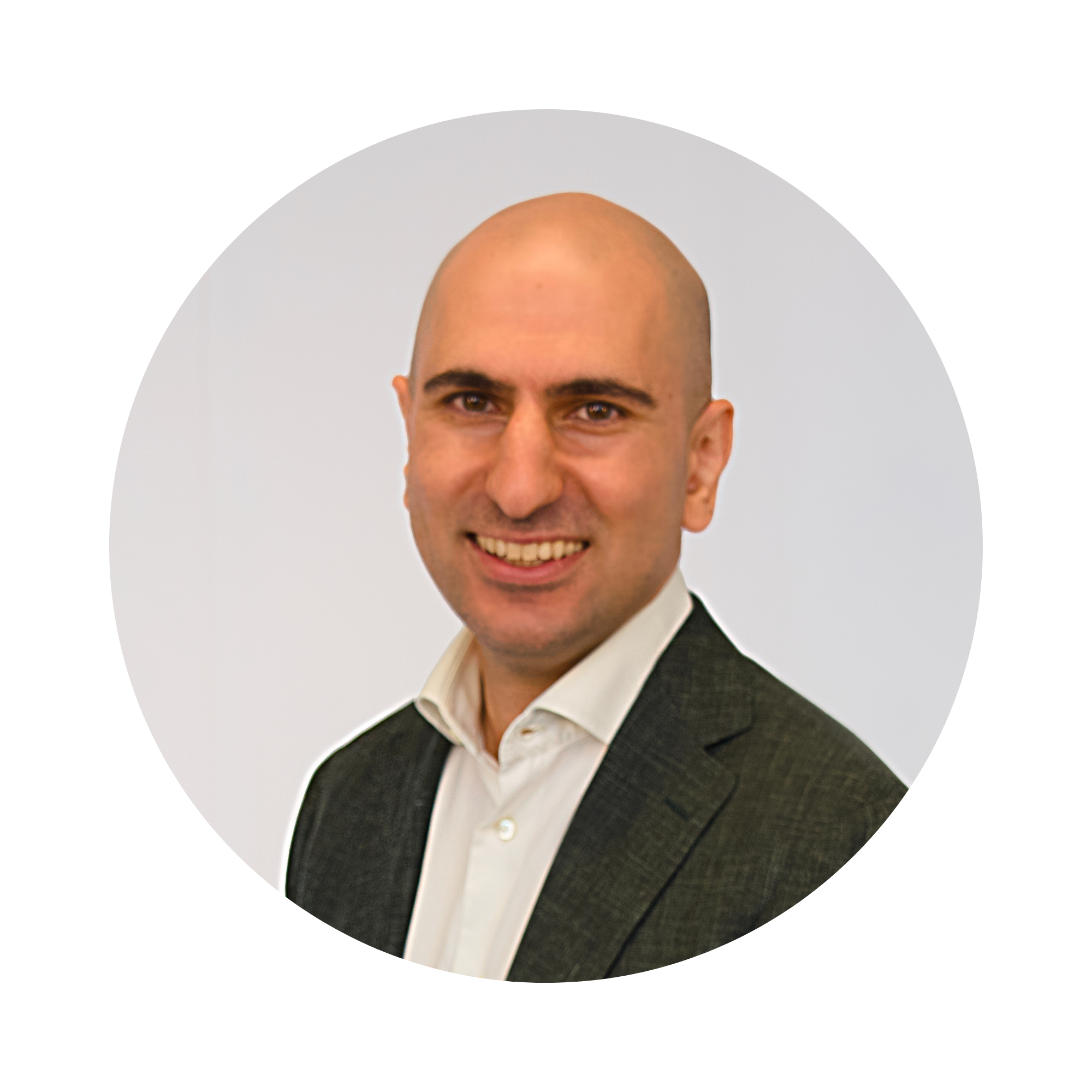
Sven has trained and coached life sciences teams on AI decision-making, moving them from uncertainty to confident, compliant daily use. With a background in chemistry and business consulting, he understands both the science and the commercial pressure his participants work under. He doesn't teach AI in theory: teams leave knowing which tools to trust, when not to trust them, and how to document what AI contributed, so the answer is ready before the auditor asks.
Tell us what your team needs and we'll suggest the right track and format.
Sven Joziasse
In-house trainer BioGuild